


23 Mar Middle East conflict impact on energy markets and projects
(Oilandgaspress) -The ongoing conflict in the Middle East has placed European energy systems under significant strain as gas prices surge to a 13‑month high, intensifying concerns around market volatility, grid adequacy and geopolitical risk. As governments across the EU and in the UK grapple with the implications for affordability, security and decarbonisation, 2026 is emerging as a pivotal year for energy policy and system transformation. The sharp rise in European gas prices has drawn renewed attention to the structure of electricity markets, particularly the use of marginal pricing, where gas‑fired generation sets the wholesale electricity price. With gas prices elevated, pressure is mounting to revisit and, in some cases, overhaul existing market arrangements.
The recent extensive damage to the Qatar Ras Laffan LNG production facility raises questions as to how local power infrastructure projects will be impacted by the crisis.
Market Implications
Gas and electricity price volatility, CPI pressure and BESS revenues
Higher gas prices inevitably push up peak electricity prices, resulting in increased revenues for:
BESS assets;
peaking plants; and
gas-fired CCGTs.
These rising prices also create additional pressure on inflation indicators such as the Consumer Price Index (“CPI”). With affordability concerns mounting, the UK Government faces great expectations ahead of the Autumn Budget, including efforts to cut average household energy bills by £150 from April 2026. This will also put strains on the EU Citizens’ Energy Package which aimed to lower household bills.
“With oil prices surpassing US$100 per barrel, pressure on transport fuel costs is increasing. “
Oil prices above US$100: renewed focus on transport fuels
With oil prices surpassing US$100 per barrel, pressure on transport fuel costs is increasing. This dynamic strengthens the case for accelerating production and adoption of:
renewable transport fuels, including Sustainable Aviation Fuel (“SAF”); and
localised fuel production capabilities, which help improve energy security.
Historically high costs have limited investment in these alternatives, but shifting economics and security concerns may now make them more commercially viable.
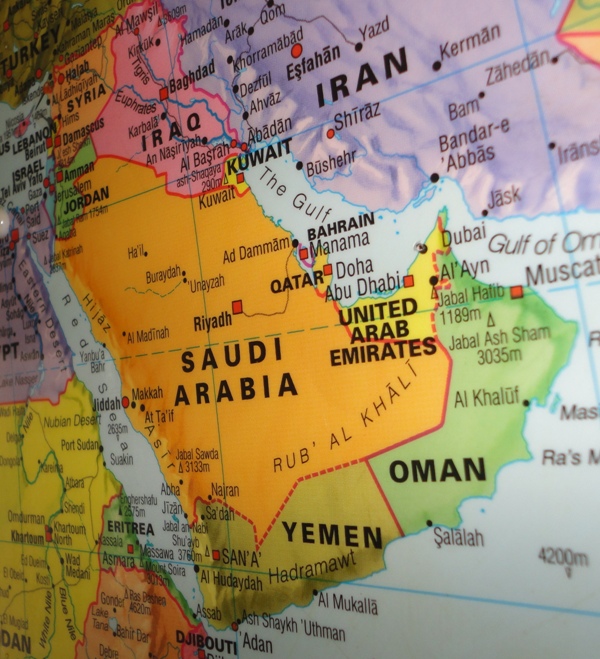
Middle East and Gulf Co-operation Council (“GCC”) disruption
Force majeure, supply chains, and project risk
Recent strikes across parts of the Middle East have damaged airports, data centres and desalination plants. Until recently, energy-related infrastructure remained intact, however, following the extensive damage to the Qatar Ras Laffan LNG production facility, there is the potential of power infrastructure being specifically targeted and damaged. Travel and transport disruptions will also pose challenges for major infrastructure and energy projects in the GCC, particularly those relying on: workforces from overseas; and
imported materials and equipment.
The materiality of such an impact will vary depending on the technology.
There are multiple projects under constructions across the GCC and projects approaching financial close. No doubt these projects will be paying close attention to force majeure clauses (including so-called ‘political/government force majeure clauses’ providing compensation and/or relief) and insurance cover.
Conclusion
European energy markets are navigating a complex web of challenges: soaring gas prices, infrastructure bottlenecks, policy disagreements and geopolitical disruptions heightened by the conflict in the Middle East. In response, we envisage that governments and regulators accelerate efforts to:
expand renewable energy deployment;
increase storage and flexibility;
modernise grid infrastructure; and
diversify energy supplies
How the conflict in the Middle East impacts the region will very much depend on how long the disruption continues.
Read Full Report of Article by WFW London Energy Partner Jean-Pascal Boutin:
Sorry, the comment form is closed at this time.